When the meltdown hits, the right story can be the gentlest, most powerful tool in your parenting toolkit. These picture books name the feelings, normalize the struggle, and show a way through — together.
These books were chosen because they do more than just identify feelings — they show children that big emotions are normal, survivable, and something families can move through together.
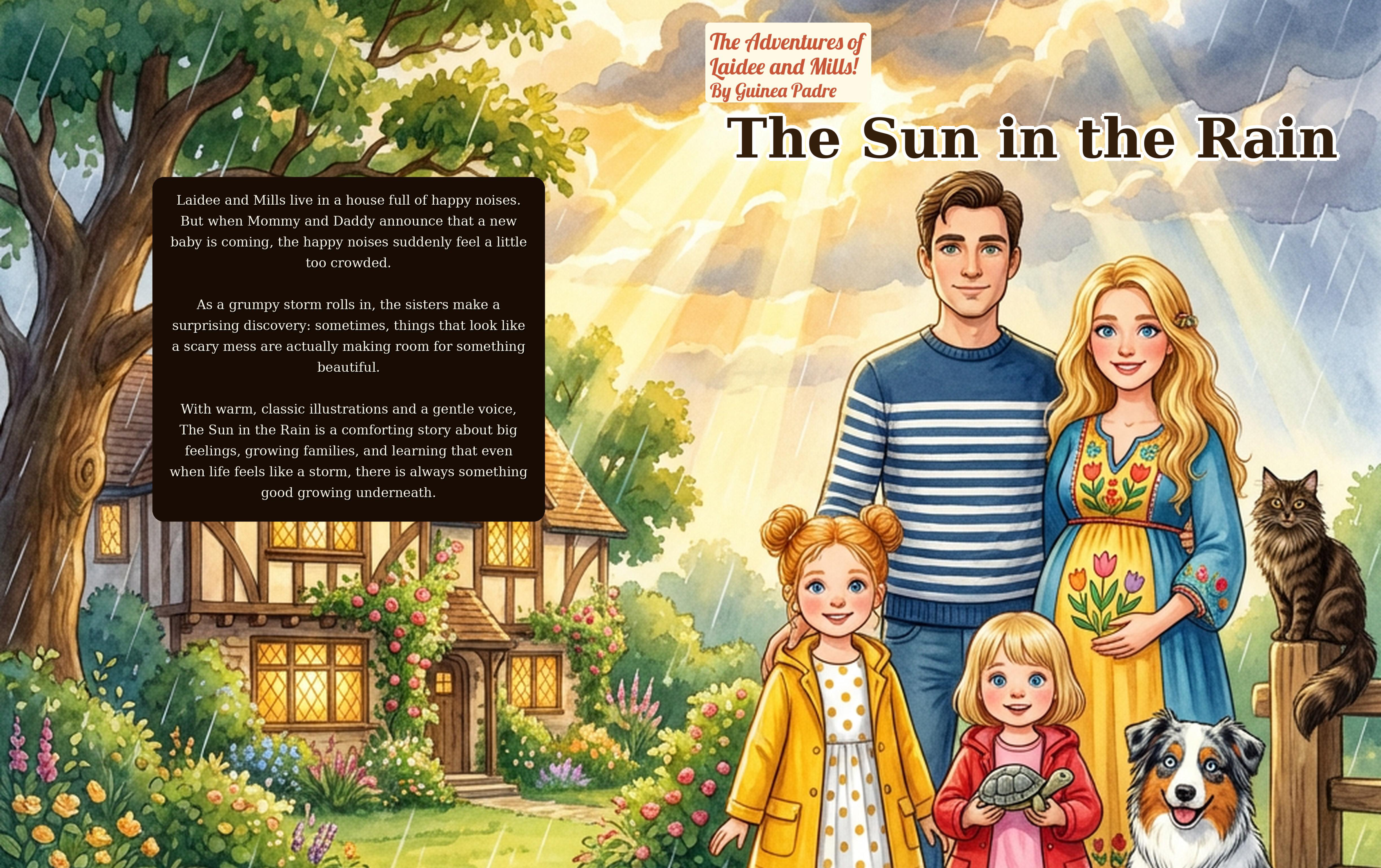
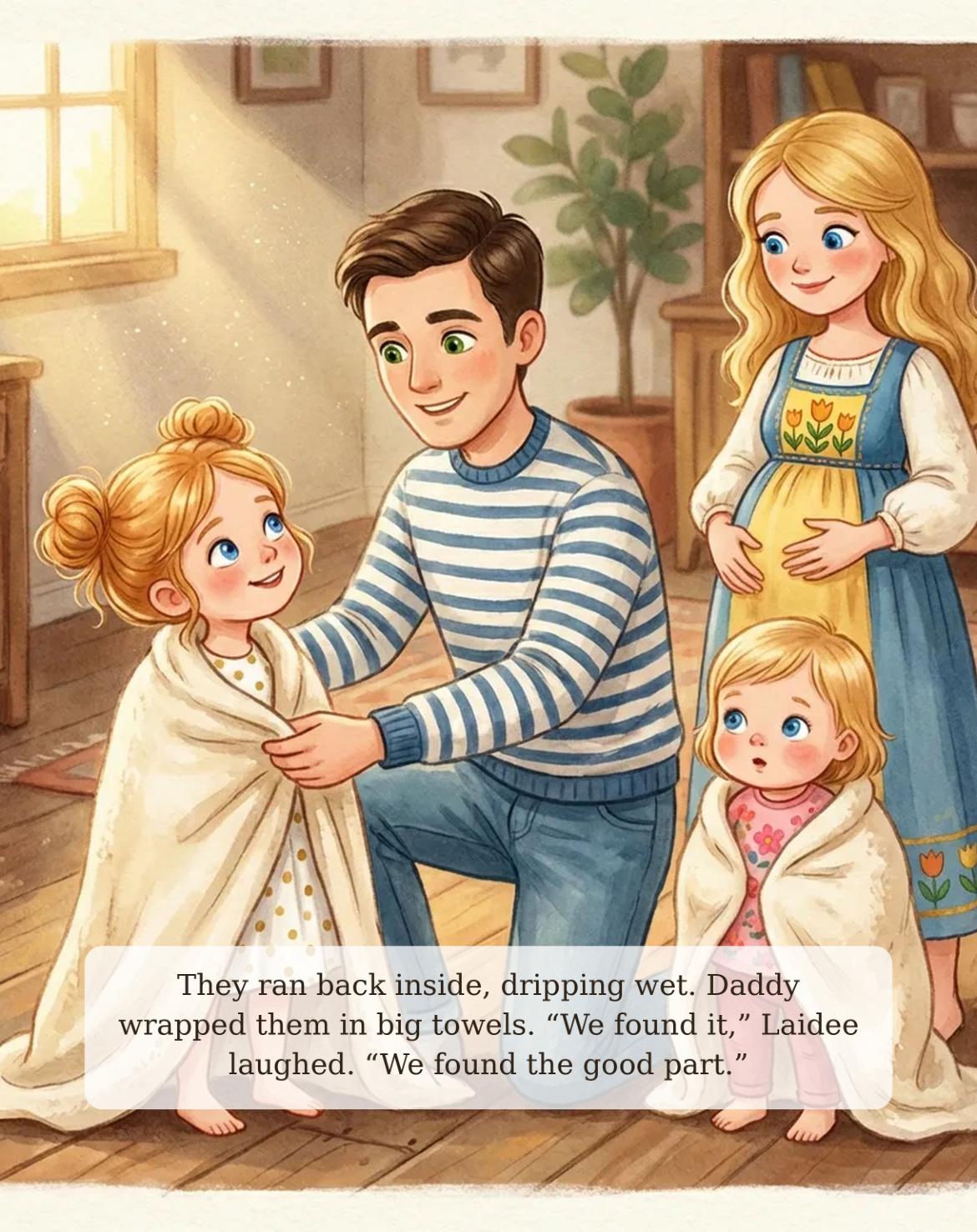
When an unexpected rainstorm ruins a perfect outdoor day, Laidee and Mills face real disappointment — the raw, full-body kind that small children know so well. Instead of rushing past it, this story sits with the big feeling, then gently guides both child and parent to discover something surprising on the other side. A beautiful model for co-regulation and emotional validation. Order on Amazon
Mills encounters frustration when things don’t go as planned at the aquarium. Mommy introduces the serenity prayer — one of the most powerful emotional tools ever put into a children’s book. Teaches kids to identify what they can and cannot control: the foundation of emotional regulation at any age. Get on Kindle
A gorgeous, lift-the-flap exploration of ten emotions from happiness to anger, fear to shyness. Describes exactly how each feeling feels in the body, helping children build the emotional vocabulary they need to express themselves instead of acting out. A go-to for ages 2–6.
A raw, honest, Caldecott Honor-winning portrayal of what anger actually looks and feels like for a small child. Then shows Sophie’s personal path back to calm. Every family needs this one — it validates children’s biggest emotions without shame.
For big feelings rooted in separation anxiety, grief, or missing someone. Teaches children about the invisible bonds of love that remain even when people aren’t physically present. Deeply comforting for children going through transitions.
Jim the chimpanzee insists he’s “fine” — even when he’s clearly not. A funny, wise book that validates the experience of not knowing why you feel grumpy, and gently models that it’s okay to just feel what you feel. Perfect for preschoolers who can’t yet articulate what’s wrong.
Jenny carries a bag full of worries everywhere she goes — and it keeps getting bigger. A wonderfully relatable story for anxious children that shows how sharing worries shrinks them. Great for children who tend toward anxiety rather than anger.
Story is how children learn to understand the world before they have the words for it. When a child sees their own big feeling reflected in a character, something shifts — they feel understood. And feeling understood is the first step toward calming down.
Children who can name a feeling (“I’m disappointed” vs. “I’m mad”) have measurably fewer tantrums — because they can express rather than explode.
Stories like The Sun in the Rain show a calm parent helping a dysregulated child — the single most important predictor of emotional health later in life.
It’s easier for a child to explore a scary feeling through a character than in real life. Books create psychological safety to process hard emotions.
“Remember how Laidee felt when the rain came?” — referencing a book character during a real meltdown can de-escalate a moment in seconds.
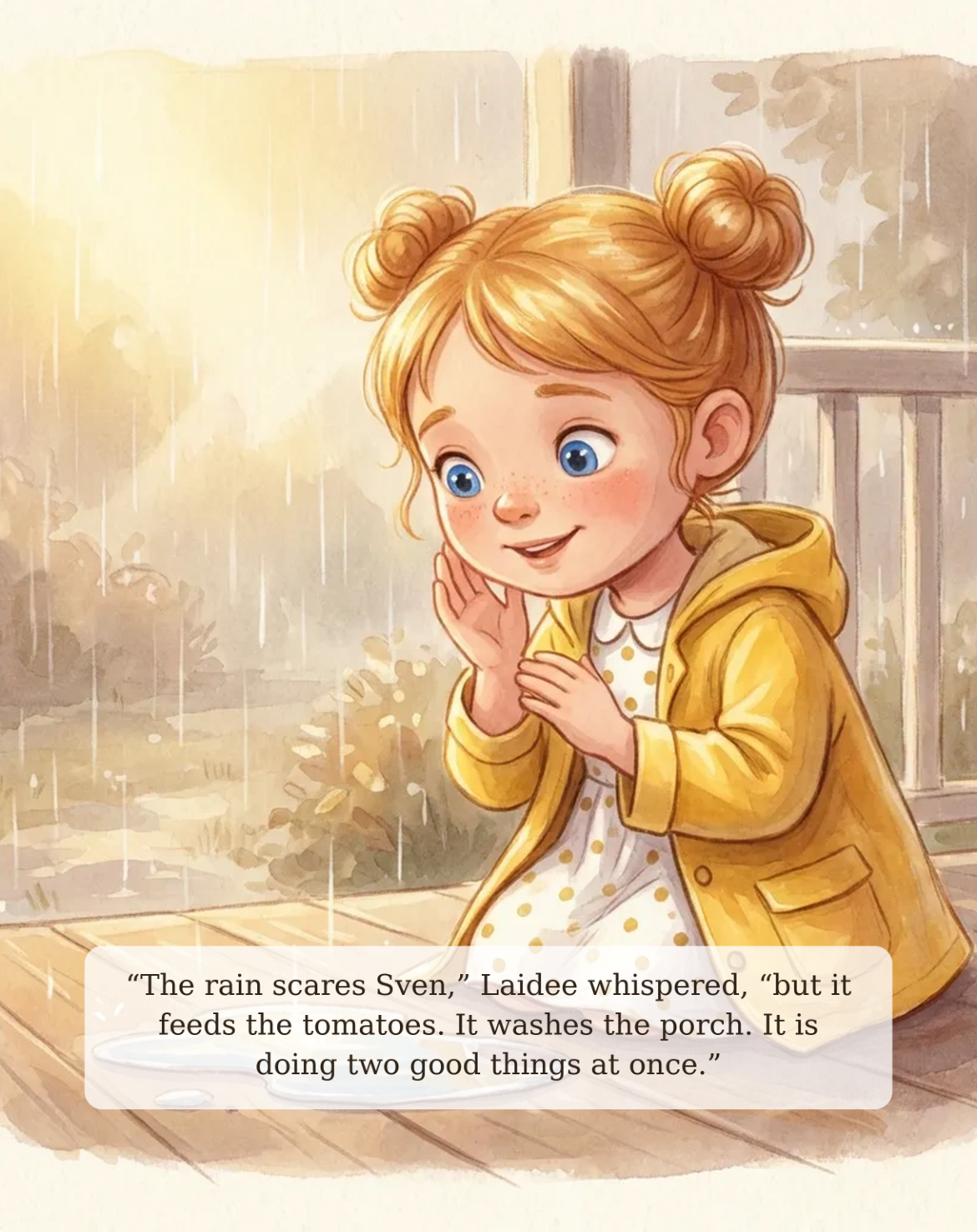
The Sun in the Rain doesn’t skip past the hard part. It shows Laidee and Mills sitting with their big feeling of disappointment — and then, with a gentle nudge from Mommy, discovering something unexpected and beautiful.
Build long-term bounce-back strength with these powerful SEL picture books.
Help your child embrace the unexpected with these gentle, empowering stories.
Teach thankfulness and contentment alongside emotional awareness.
Learn more about Guinea Padre’s powerful story of big feelings and unexpected joy.
The Sun in the Rain is more than a rainy day book — it’s a story about feeling big feelings and finding something beautiful on the other side. Perfect for ages 3–7.
Also: Kindle edition available