Everything you need to nurture a lifelong love of the sea in your child — from the perfect first ocean book to hands-on activities, gift ideas for every budget, and conservation habits that stick.
Children who develop a connection with the ocean grow into more curious, empathetic, and environmentally conscious adults. And it all starts with wonder. This guide gives you everything you need to plant and nurture that seed — no marine biology degree required.
The ocean is the planet’s greatest wonder machine. Vast, mysterious, beautiful, and filled with creatures that seem almost impossibly magical. For children, it offers something no other subject can: an infinite frontier of discovery that grows with them.
Children who develop a relationship with the natural world — especially the ocean — show measurable benefits throughout their lives. Studies from the Children & Nature Network show that nature-connected children demonstrate stronger problem-solving skills, greater empathy, better emotional regulation, and higher academic performance across STEM subjects.
The ocean is uniquely powerful for this because it combines so many elements that captivate young minds: vivid colors, mysterious creatures, a sense of hidden worlds, the rhythm of waves, and an endless supply of “did you know?” facts that children love to share. A child who loves the ocean never runs out of things to be curious about.
And the best part? You don’t need to live near a beach. Books, aquarium visits, documentaries, and simple home activities can build a deep and lasting ocean connection from anywhere in the world. The journey starts with a single picture book.
Every ocean-loving adult we know can trace their passion back to a specific moment of wonder — and for many, that moment happened while reading a picture book. Books are the most accessible, affordable, and effective way to plant the ocean seed in a young mind.
Screen time limits what children imagine by showing them everything. Books do the opposite: they provide enough visual and narrative scaffolding for a child’s imagination to fill in the rest. When a child “hears” the ocean waves while looking at an illustration, their brain is building neural pathways that a video never would. This is why picture books create deeper, more lasting connections than any screen experience.
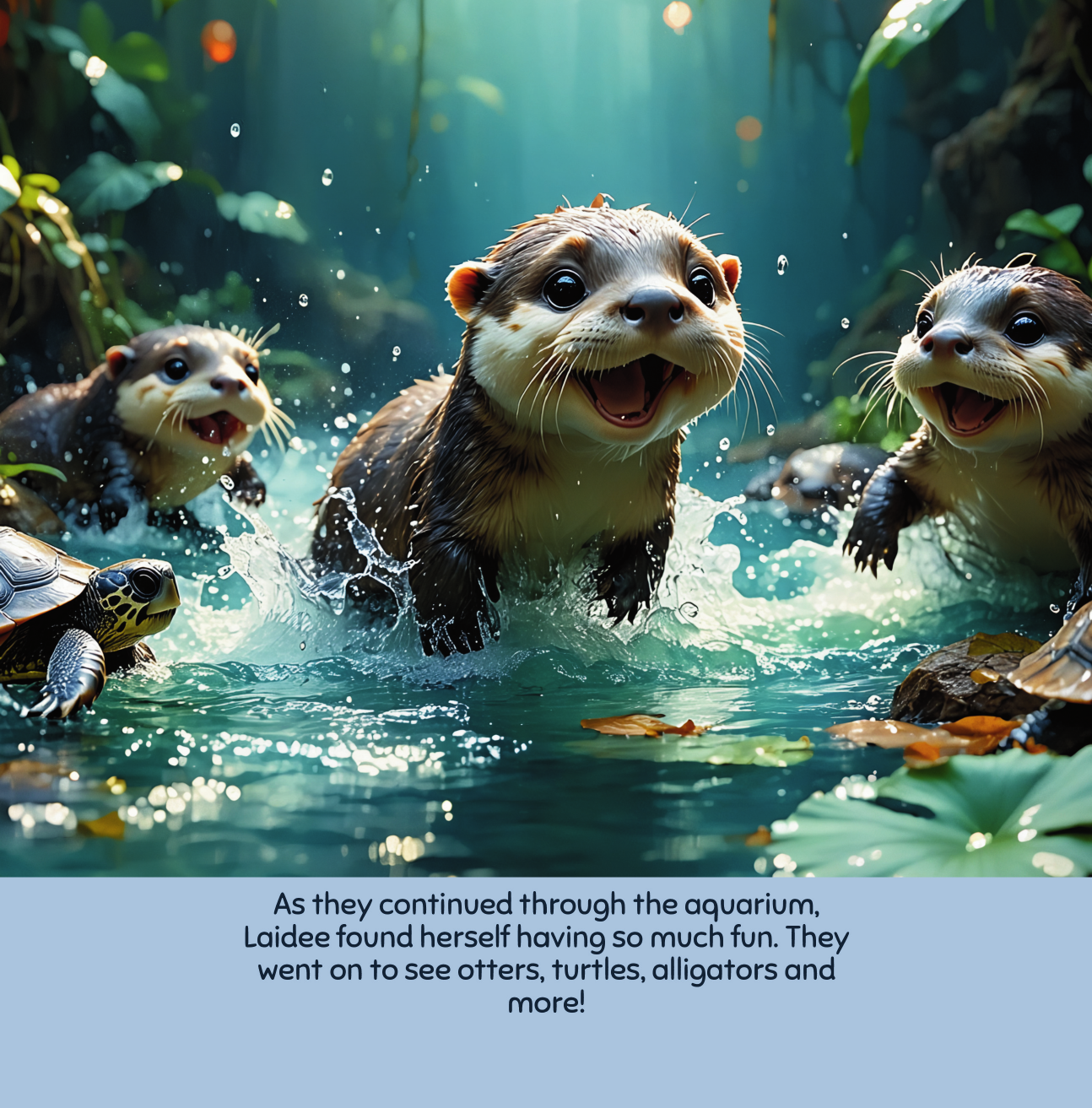
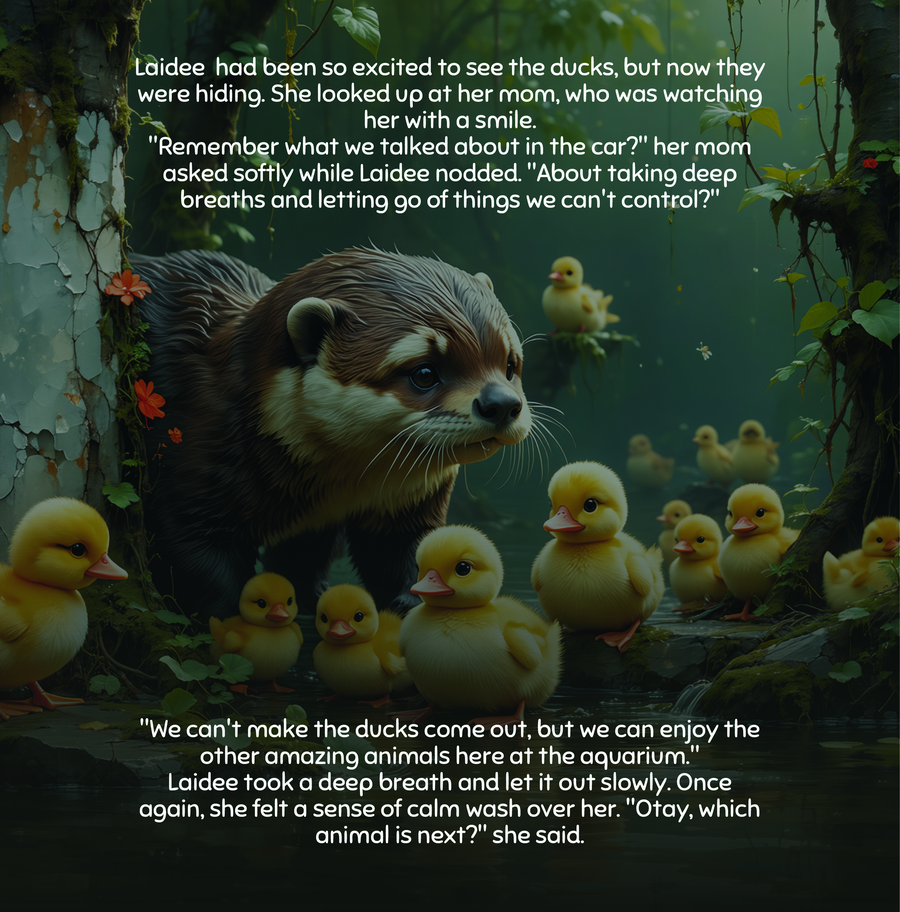
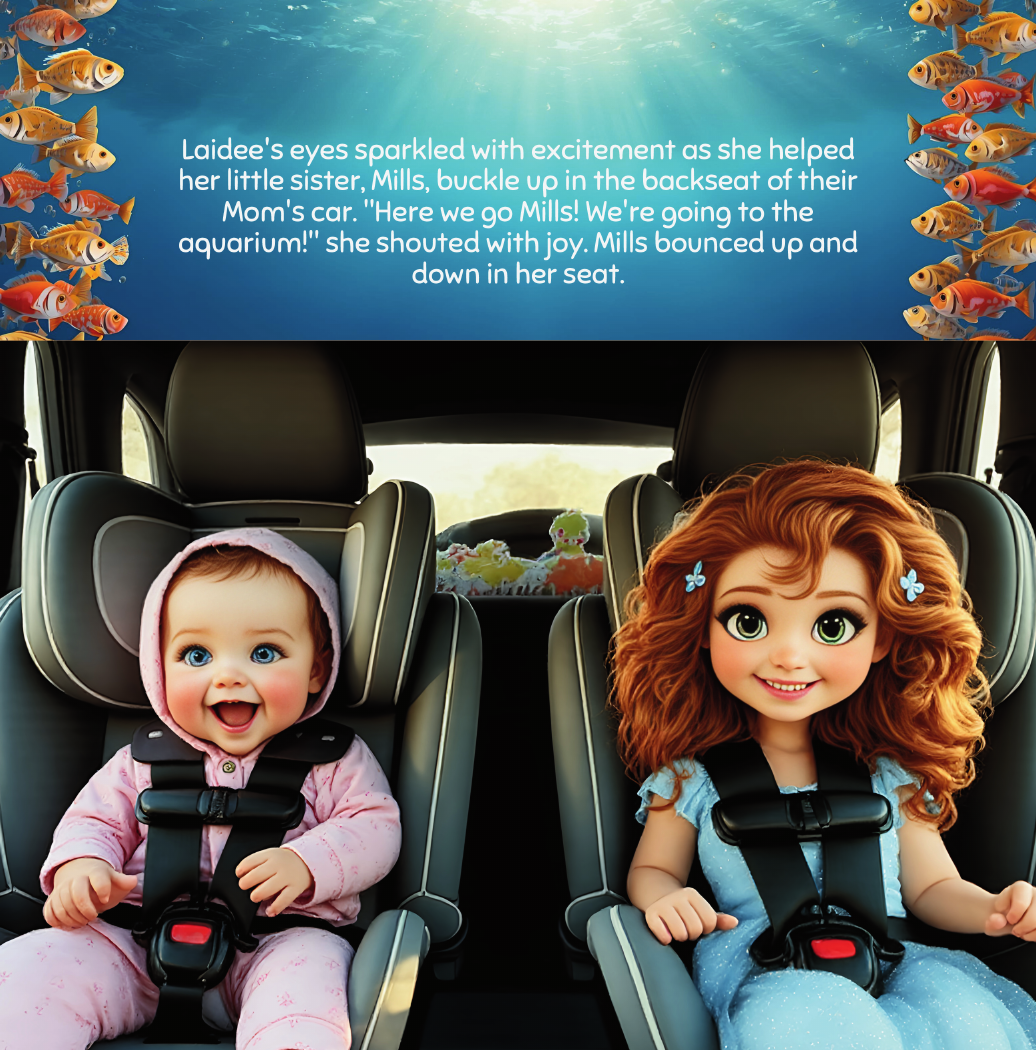
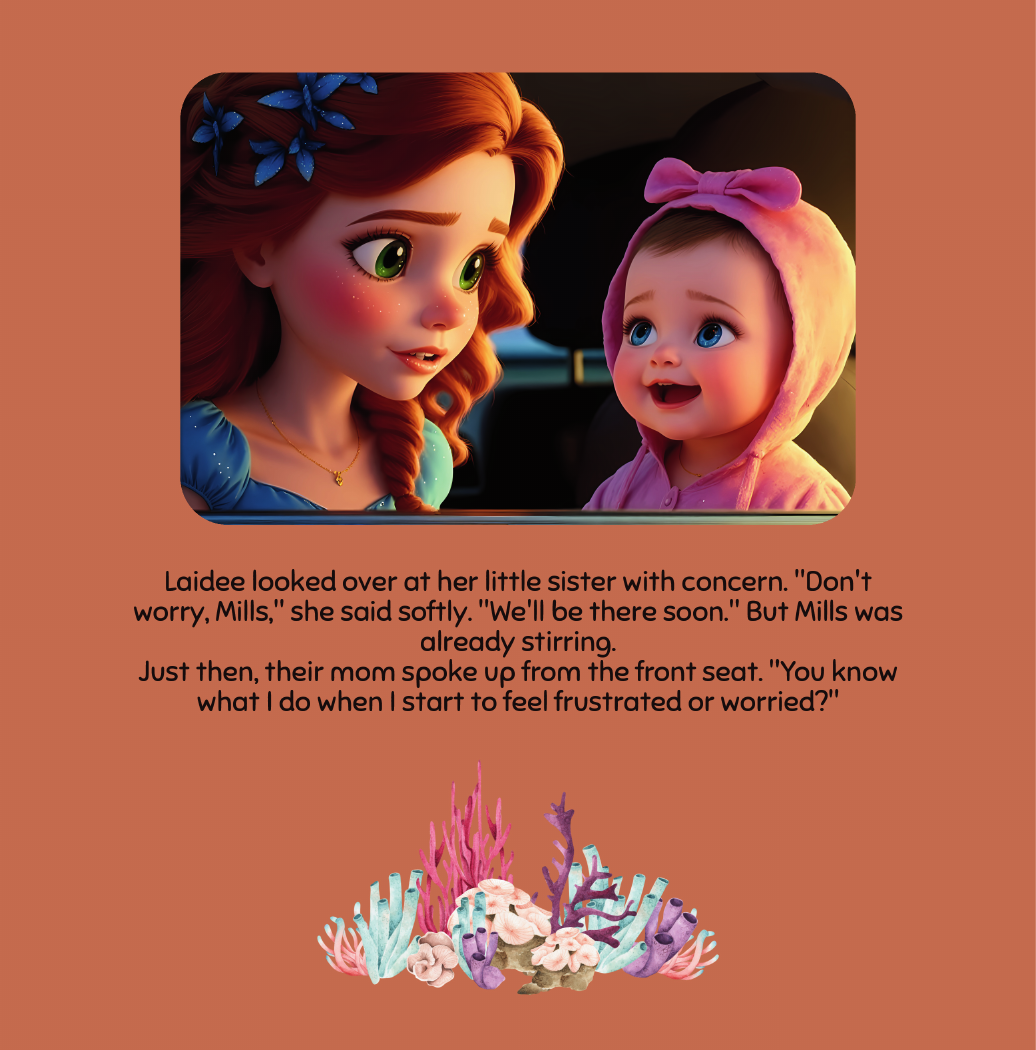
The perfect first ocean book. Stunning full-color illustrations take children through every aquarium exhibit — sharks, jellyfish, dolphins, otters, tropical fish, and more. The warm narrative and gentle lesson about controlling what you can make it a bedtime favorite, trip prep essential, and gift gold standard. Ages 2–7. Get it on Amazon →
Bouncy, infectious rhyming poems about different sea creatures. Toddlers memorize the verses naturally, building vocabulary and rhythm awareness while falling in love with ocean animals.
Shimmering holographic scales make every page a visual treasure. The sharing theme resonates deeply with preschoolers, and the underwater setting establishes ocean as a place of beauty and meaning.
Real photographs paired with age-appropriate text. For children who want to know real facts about real creatures. Perfect companion to narrative picture books. Ages 4–8.
A Caldecott Honor classic about a tiny fish who uses cleverness and cooperation to protect his school. Lionni’s watercolor collages are timeless, and the message about thinking creatively resonates for years.
Got an ocean-obsessed kid in your life? Whether it’s a birthday, holiday, or just-because gift, the best presents combine fun with genuine learning — sparking even deeper curiosity about the incredible marine world. Here are our favorites organized by budget.
Our #1 gift pick for any ocean-loving child. Beautiful enough for a coffee table, beloved enough for nightly bedtime reading. A gift read 100+ times has the best cost-per-smile ratio of anything on the market. Order on Amazon
A cuddly shark, dolphin, or sea turtle becomes a reading companion. Children love holding their stuffed ocean animal while reading ocean books together — it deepens the emotional connection to the story.
Creative play that reinforces ocean knowledge. Look for books with labeled species so children learn real animal names while coloring. Pairs perfectly with picture books.
Grow your own sea monkeys, crystal coral, or bioluminescent algae. Hands-on science kits turn book knowledge into real experiments. Look for kits rated ages 4+ for younger children.
Large format puzzles featuring labeled sea creatures build patience, spatial reasoning, and marine vocabulary simultaneously. Display the finished puzzle as room decor.
Create a curated set: A Fintastic Day at the Aquarium + a rhyming book + a fact book. Three books covering different reading modes make a gift that keeps giving for years.
The ultimate gift for an ocean-loving family. Annual memberships pay for themselves in 2–3 visits and give children the magical experience of watching the same animals grow and change across seasons.
Organizations like WWF and Ocean Conservancy offer symbolic adoption programs. Children receive a certificate, plushie, and updates about “their” animal. Teaches conservation through personal connection.
An aquarium visit is more than a fun outing — it’s a transformative educational experience when done right. The difference between a good visit and an unforgettable one comes down to preparation, presence, and follow-through.
Read A Fintastic Day at the Aquarium 2–3 nights before. This creates anticipation and gives your child a mental map of what to expect. Ask which animal they’re most excited to see. Let them carry the book in their backpack on the day — holding the illustration next to the real animal creates an unforgettable moment of recognition.
Follow your child’s pace and interests, not the suggested route. If they want to spend 30 minutes watching jellyfish, let them. Depth of engagement matters more than coverage. Ask open-ended questions: “What do you think that fish is thinking?” “Why do you think it’s that color?” Photograph your child at their favorite exhibits.
Re-read the ocean book that night. The story now carries the weight of real memory. Ask your child to draw their favorite animal from the visit. Compare their drawing to the book illustration and to a real photo. This three-way comparison builds observation skills naturally. Start a simple “Ocean Journal” where they record each aquarium visit with a drawing and one sentence.
You don’t need a beach or an aquarium to nurture ocean love. These simple, mostly-free activities can happen in your living room, backyard, or kitchen — keeping the ocean connection alive between visits and book readings.
Tape large paper to a wall. After each ocean book you read, add the new creatures you discovered. Over weeks, build a complete underwater world — a visual record of everything learned together.
Set up stuffed animals around the living room as “exhibits.” Your child becomes the aquarium guide, explaining each animal to visitors. Retelling facts from books in their own words is peak learning.
Float vs. sink experiments teach density. Salt water vs. fresh water shows ocean salinity. Baking soda volcanoes demonstrate underwater geology. Science lives in your kitchen.
Age-appropriate ocean documentaries pair beautifully with books. Watch a 10-minute segment about the animal from tonight’s bedtime book. Two learning modes reinforcing each other.
Fill a shallow bin with water, sand, shells, and plastic ocean animals. Add blue food coloring. Your toddler will play for hours, naming creatures from their books. Sensory play meets science.
Collect: photos from aquarium visits, drawings after reading, postcards, ticket stubs, printed ocean facts. A growing record of your child’s ocean journey that becomes a treasured keepsake.
You want your child to care about the ocean — but not to feel scared or hopeless about its future. The key is leading with love and wonder first, then gradually introducing stewardship as a natural extension of that love.
Children protect what they love. Before any conversation about pollution or climate, make sure your child has a deep emotional connection to ocean animals. Read books. Visit aquariums. Watch documentaries. Build the relationship first — conservation follows naturally when a child genuinely cares about the creatures at stake.
“We use our reusable water bottle to help the fish!” Frame conservation as helping their animal friends. Keep it positive and simple.
Make it a treasure hunt: “Let’s find 10 pieces of trash before the waves do!” Gamifying cleanup makes it fun, not preachy.
Now they can understand cause and effect. “When plastic reaches the ocean, sea turtles can mistake it for jellyfish.” Facts, not fear.
Symbolic animal adoptions, letters to local representatives, school presentations about ocean health. Channel their passion into purpose.
Ocean love deepens naturally as children grow. Here’s what to focus on at each stage to keep the wonder alive and evolving.
Board books with textures and flaps. Ocean sound machines at bedtime. Simple pointing games: “Where’s the fish?” Bath toys shaped like sea creatures. You’re building the association: ocean = comfort, beauty, play.
This is the golden window. Read A Fintastic Day at the Aquarium nightly. First aquarium visit — keep it short (90 minutes max). Ocean pretend play. Learning animal names from books. The world underwater becomes as real as the world outside their window.
Questions multiply: “How deep is the ocean?” “Do fish sleep?” Add fact books alongside picture books. Longer aquarium visits with focused exhibit time. Start the Ocean Journal. First ocean documentary clips. Kitchen science experiments. This is when casual interest becomes genuine passion.
Chapter books about marine adventures. Aquarium behind-the-scenes tours. Simple conservation actions. School projects about ocean animals. Identifying species in the wild. Your child is now teaching you facts about the ocean — the ultimate sign that the seed has taken root.
Marine science camps. Snorkeling trips. Citizen science projects. Conservation volunteering. Independent research on favorite species. The ocean-loving child becomes an ocean-protecting young person. Everything you built in those early bedtime readings is now bearing fruit.
The full story behind Guinea Padre’s bestselling ocean adventure picture book.
Every ocean book your child needs — organized by age, occasion, and reading goal.
How picture books teach marine science, from fish facts to ocean ecosystems.
Everything you need for the perfect family aquarium visit this spring.
A Fintastic Day at the Aquarium by Guinea Padre is the perfect first step. One beautiful book, read with love, can spark a lifetime of ocean wonder. Available now on Amazon.