2026’s biggest parenting trend isn’t a new app — it’s putting the apps away. Parents everywhere are going analog, and picture books paired with hands-on activities are leading the revolution. Here are the books that don’t just replace screen time — they make your child forget screens exist.
The best screen-free books don’t end when you close the cover. They launch an afternoon of building, exploring, creating, and wondering. Each book below comes with activity ideas that extend the story into real life.
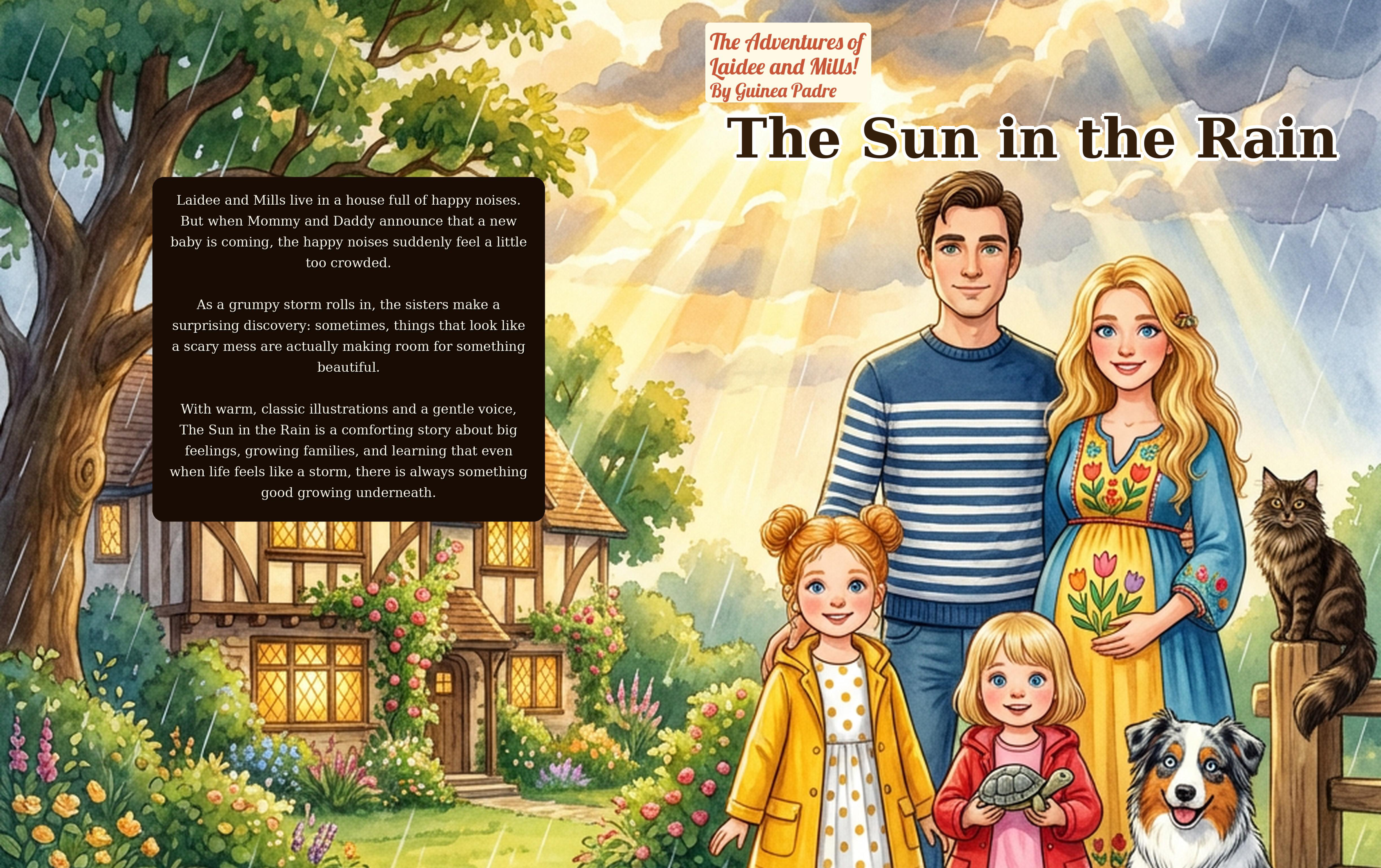
This book is a screen-free activity generator. After reading, step outside — rain or shine — and try Laidee’s game: how many beautiful things can you notice in five minutes? Make rain paintings by leaving watercolor paper in a drizzle. Build a blanket-fort picnic indoors. Create a “joy jar” where your child draws pictures of unexpected happy moments. One book, a dozen afternoons. Order on Amazon →
Read it before an aquarium visit and turn the whole trip into a scavenger hunt: “Can you find the fish Mills saw?” At home, make ocean sensory bins with blue water beads and plastic sea creatures. Paint paper-plate jellyfish. Build a cardboard aquarium with tissue-paper fish. This book turns marine biology into a craft studio. Get on Kindle →
Martin’s gorgeous illustrations practically beg to be recreated. After reading, ask your child: “What wonderful thing will you be today?” Dress up, draw self-portraits, write letters to their future selves. The dreamy, open-ended text sparks imagination without directing it — exactly what screen-free play requires.
A Newbery Medal winner about finding beauty in an ordinary bus ride. After reading, take your own “wonder walk” through your neighborhood. Challenge your child to spot five beautiful things they usually ignore. Sketch them. Photograph them with a disposable camera. De la Peña teaches that magic isn’t in screens — it’s in seeing.
The original interactive picture book — children press dots, shake the book, and watch “magic” happen on the next page. No batteries, no WiFi, pure delight. Extend it with dot painting, color mixing experiments, and making your own “press here” book with stickers. Tullet proves that a book can be more interactive than any tablet.
Every mistake becomes art in this tactile, interactive book with torn pages, smudges, and fold-outs. After reading, have a “beautiful oops” art session: spill paint, tear paper, make accidental marks — then transform them into creatures, landscapes, and stories. This book teaches the creative mindset that perfectionism (and screens) destroy.
A rabbit and a cardboard box. That’s it. But the box becomes a race car, a mountain, a pirate ship — everything a child’s imagination can build. After reading, give your child an actual box and step back. This book is a manifesto for unstructured play and a reminder that the best toy in any house has always been cardboard.
Going screen-free doesn’t mean going backward. It means choosing the activities that actually build the neural pathways screens can’t — creativity, sustained attention, and the ability to be bored and then not bored anymore.
The Surgeon General’s 2025 advisory on children and social media changed the conversation. Pinterest’s 2026 trend report shows “screen-free childhood” searches up 340%. Parents aren’t anti-technology — they’re pro-childhood. And they’re rediscovering that books and hands-on play build brains screens simply can’t.
The secret is simple: read a book, then do something inspired by it. The Sun in the Rain becomes a rainy-day nature walk. A Fintastic Day becomes an ocean craft afternoon. The book provides the story and the emotional grounding; the activity provides the sensory experience. Together, they create memories no screen can match.
The families who successfully reduce screen time all share one habit: a daily read-aloud ritual. Same time, same place, same cozy spot. Start with 15 minutes after lunch or before bed. The ritual becomes the anchor that replaces the screen habit. Within two weeks, children start asking for it — not the tablet.
Start small. Replace 30 minutes of daily screen time with a book + activity combo. Monday: read Press Here, do dot painting. Tuesday: read Not a Box, build with cardboard. By Friday, your child has five new memories, five creative experiences, and five fewer episodes of whatever they were watching. Scale from there.
The picture books that make storytime magical — chosen for rhythm, repetition, and pure read-aloud joy.
Creative, screen-free ideas for turning a rainy day into an adventure your child will remember.
The perfect picture books to gift for birthdays, holidays, and every just-because moment in between.
The Sun in the Rain turns rainy days into nature adventures. A Fintastic Day at the Aquarium turns any afternoon into an ocean exploration. Together, they’re your family’s screen-free starter kit — stories that don’t end when you close the cover.