Empathy is the foundation of every relationship your child will ever have. These picture books plant that seed early — through characters who feel, struggle, and choose kindness in ways children instantly recognize.
The most lasting way to teach empathy is not through instruction but through story. When children see a character feel what another character feels, their mirror neurons fire — they practice empathy in real time, on every page.
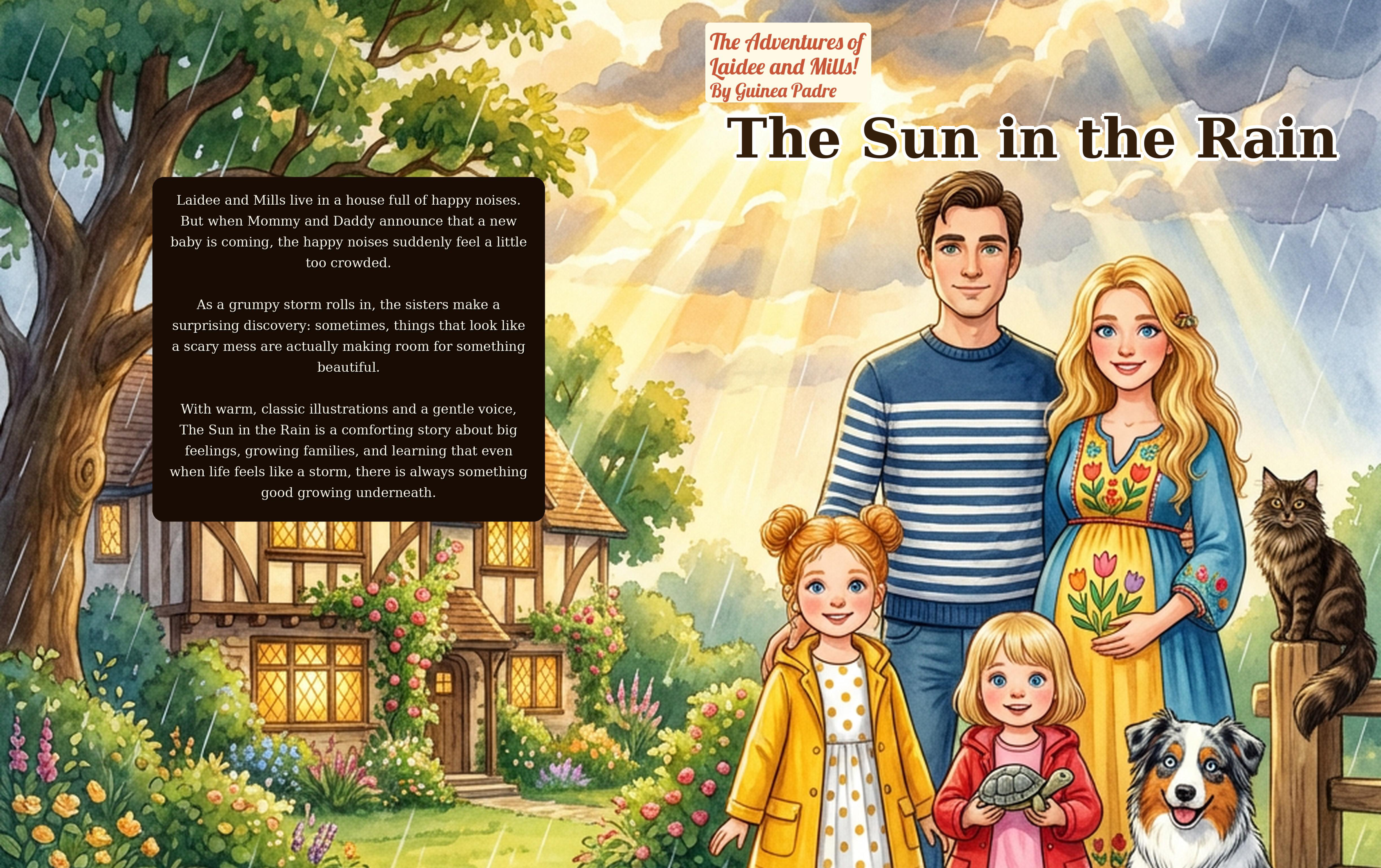
A profound model of parental empathy in action. When disappointment strikes, Mommy doesn't dismiss, fix, or distract — she sits with her child in the feeling and helps them find the beauty inside it. Children who see this modeled learn what it looks like when someone truly understands them. Order on Amazon
Mills encounters frustration and Mommy responds with the serenity prayer — one of the most empathic responses in children's literature: validating what's hard, acknowledging what can't be changed, and pointing toward what can. A masterclass in empathic co-regulation. Get on Kindle
A Caldecott Honor book about a chance for kindness missed — told with Woodson's heartbreaking clarity. One of the most powerful books ever written about regret, compassion, and second chances for young readers.
A boy learns from his grandmother to see the beauty and dignity in everyone around him. A Newbery Medal winner that builds perspective-taking naturally through a bus ride across a city.
A boy plans to destroy his enemy — and ends up making a friend. One of the most effective books ever written about how empathy dissolves conflict, without ever preaching about it.
A Korean girl navigating a new American school lets readers feel what it's like to be different, to be seen, and to be accepted for exactly who you are. Builds cultural empathy beautifully.
The picture book adaptation brings Auggie's story to young readers in a format they can hold. Empathy, courage, and the choice to be kind are themes that land profoundly at every age.
Empathy is not a soft skill — it is the foundational skill. Children with strong empathy have better friendships, better academic outcomes, and measurably better mental health outcomes throughout their lives.
Empathy books build "theory of mind" — the understanding that other people have different feelings and experiences. This cognitive leap typically begins around age 4.
Children who can imagine how another person feels resolve conflicts faster and with less adult intervention. Empathy is the foundation of social competence.
Empathizing with characters is the core engine of reading comprehension. Empathy books don't just teach empathy — they build readers.
Stories give children language for feelings they already have but cannot express: "I felt like Auggie" is the beginning of emotional articulation.
The Sun in the Rain and A Fintastic Day at the Aquarium both model the most important form of empathy — a parent truly understanding a child. Beautiful books for building beautiful humans.