
Mindfulness is 2026’s biggest parenting movement — and picture books are the most natural way to teach it. These stories don’t ask children to sit still and meditate. They invite kids to notice beauty, breathe with characters, and discover that the present moment is full of wonder.
The best mindfulness books for children don’t use the word “mindfulness” at all. They simply slow the reader down, invite noticing, and make the present moment feel like the most interesting place to be.
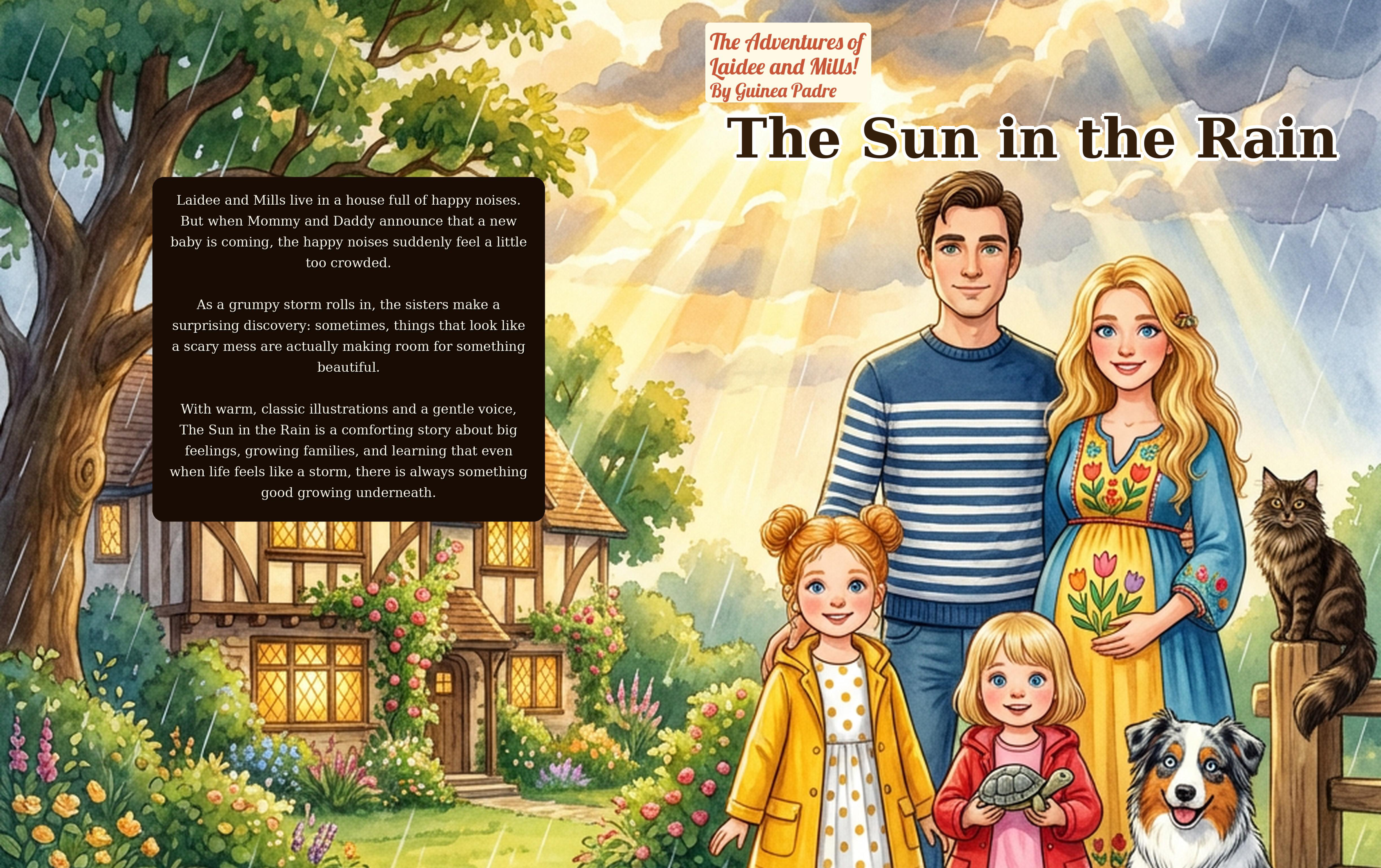
When rain cancels Laidee’s picnic, she could spiral into frustration. Instead, something quieter happens — she begins to notice. The sound of rain on leaves. The way puddles reflect the sky. This isn’t a book about meditation; it’s a book about seeing, which is the heart of mindfulness. Children absorb the lesson without being taught it. Order on Amazon →
Mills arrives at the aquarium nervous and overwhelmed — then something shifts. Wonder takes over. Watching jellyfish drift, studying the colors of coral, being completely absorbed in what’s right in front of you — that’s mindfulness in its purest form. This book shows children that curiosity is the doorway to presence. Get on Kindle →
Thirty short breathing and movement exercises designed for children ages 2–7. Each one takes under a minute and uses imaginative prompts (“breathe like you’re blowing out birthday candles”) that make mindfulness feel like play. A brilliant bedtime and classroom resource that families return to for years.
From the bestselling I Am series, this book follows a child who notices anxious thoughts, pauses, breathes, and reconnects with the world. Illustrated by Peter H. Reynolds with gentle watercolors that slow the reader down. The text is simple enough for three-year-olds, the message deep enough for adults.
This book bridges mindfulness and interoception — the ability to notice what’s happening inside your body. “Where do you feel butterflies? Where does anger live?” Teaching children to listen inward is the foundation of every mindfulness practice. Practical, warm, and endlessly useful for parents and therapists alike.
A book built entirely around the power of the pause. What if you stopped before reacting? What if you noticed the sky before rushing inside? Sileo shows children that pausing isn’t doing nothing — it’s the bravest, most powerful thing you can do. Perfect for impulsive children who need a gentle reframe.
Part picture book, part guided meditation program (with audio exercises), this Dutch bestseller has helped millions of families worldwide. Snel’s frog metaphor — sitting still and aware, breathing gently — gives children a concrete image to hold onto when the world feels too fast. Ages 5–12.
Mindfulness isn’t another thing to add to your to-do list. It’s a way of doing what you already do — reading together — with a little more presence and a little less rush.
At 2–3, mindfulness is sensory: touching textures, listening to sounds. At 4–5, it’s noticing: “What do you see in this picture?” By 6–8, children can begin conscious breathing and body scans. Meet them where they are — not where the app says they should be.
Meditation apps require screens, sustained attention, and abstract thinking — three things young children struggle with. Picture books use story, illustration, and a parent’s warm voice. The co-regulation of reading together is itself a mindfulness practice. No subscription required.
Read The Sun in the Rain before a rainy day walk and ask: “What can we notice?” Read A Fintastic Day before any new experience and ask: “What are you curious about?” Pairing books with real moments turns mindfulness from concept to lived experience.
Research from Johns Hopkins and Harvard shows mindfulness practices reduce cortisol, improve attention span, and strengthen emotional regulation in children as young as four. Picture books activate mirror neurons — children literally practice the calm they see on the page. It’s neuroscience disguised as storytime.
The best picture books for naming emotions, teaching regulation, and bringing calm to hard moments.
Stories that help children discover happiness in unexpected places and appreciate everyday wonder.
Top SEL picture books helping kids manage emotions, regulate impulses, and build lifelong emotional skills.
The Sun in the Rain teaches children to find beauty in stillness. A Fintastic Day at the Aquarium teaches them to find presence through wonder. Together, they give your child two paths to the same destination: being fully here, right now.